
Traumatic Brain Injury and Concussion Recovery support
Traumatic brain injury (TBI) and concussion can affect memory, concentration, mood, balance, and everyday functioning.
At Be Well Brain Health, we offer personalized support for people recovering from head injury, with a focus on brain health and regulation.
Our approach integrates holistic care with microcurrent neurofeedback as a possible complementary option to help support recovery and daily functioning.
What is TBI and Concussion?
Traumatic brain injury occurs when a blow, bump, or jolt to the head causes damage to the brain. Concussion is a type of mild TBI that may not show up on imaging but can still cause significant symptoms.
Common causes include sports injuries, falls, vehicle accidents, or other trauma. Symptoms can appear immediately or develop over days and may persist beyond the typical recovery window in some cases.
Common signs and symptoms
Signs after TBI or concussion may include:
• Headaches or pressure in the head.
• Dizziness or balance problems.
• Sensitivity to light or noise.
• Brain fog, slowed thinking, or difficulty concentrating.
• Memory problems or confusion.
• Fatigue or sleep changes.
• Irritability, anxiety, or mood swings.
• Problems with coordination or movement.
Children and adults may experience symptoms differently, and some people also report vision changes, emotional reactivity, or difficulty returning to work, school, or sport.
How we support TBI and Concussion Recovery
At Be Well Brain Health, we take an individualized approach to TBI and concussion support.
We focus on:
• Monitoring post‑injury symptoms,
• Supporting brain health and regulation, and
• Helping people gradually return to daily activities while minimizing setbacks.
Depending on your situation and goals, your care plan may include:
• Microcurrent neurofeedback as a supportive option.
• Brain health education.
• Regulation and coping strategies.
• Support for families and caregivers.
• Guidance on pacing, routine, and post‑concussion activity.
We emphasize that our services are meant to complement, not replace, medical evaluation, imaging, rehabilitation, or follow‑up with a neurologist, physiatrist, or sports‑medicine physician when appropriate.
FAQ
What to expect
Usually begins with a conversation about:
• How the injury occurred,
• Current symptoms,
• Medical evaluation history, and
• Your goals for recovery and daily functioning.
If neurofeedback is part of your plan, sessions are non‑invasive and low‑effort. You will typically sit comfortably while the practitioner guides the process and monitors your response.
We may also discuss light activity levels, screen time, sleep, and any co‑occurring concerns such as anxiety, depression, or ADHD‑like symptoms.
Your first visit…
This may be helpful for:
• Adults or teens recovering from concussion or mild TBI.
• People with persistent headaches, brain fog, or attention issues after head injury.
• Athletes or performers returning to sport or performance activities.
• Families and caregivers wanting support and guidance.
• People who want a holistic, individualized approach alongside rehabilitation care.
If you are unsure whether your symptoms are related to concussion, another condition, or a need for more urgent care, we strongly encourage you to seek medical evaluation first.
Who may benefit

We may adjust the plan based on how you feel and what changes you notice in daily life.
Over time…
Research and clinical experience suggest that neurofeedback and related brain‑based therapies can sometimes help support recovery after TBI and concussion, particularly for lingering headaches, sleep problems, and attention or mood symptoms.
At Be Well Brain Health, microcurrent neurofeedback is offered as one supportive part of a broader recovery plan, not as a replacement for standard medical evaluation or rehabilitation.
TBI, Concussion and neurofeedback
FAQ From Our Clients
What should I do if I think I have a concussion?
If you suspect a concussion, seek medical evaluation promptly. Many guidelines recommend formal assessment within 24–48 hours and careful monitoring of symptoms.
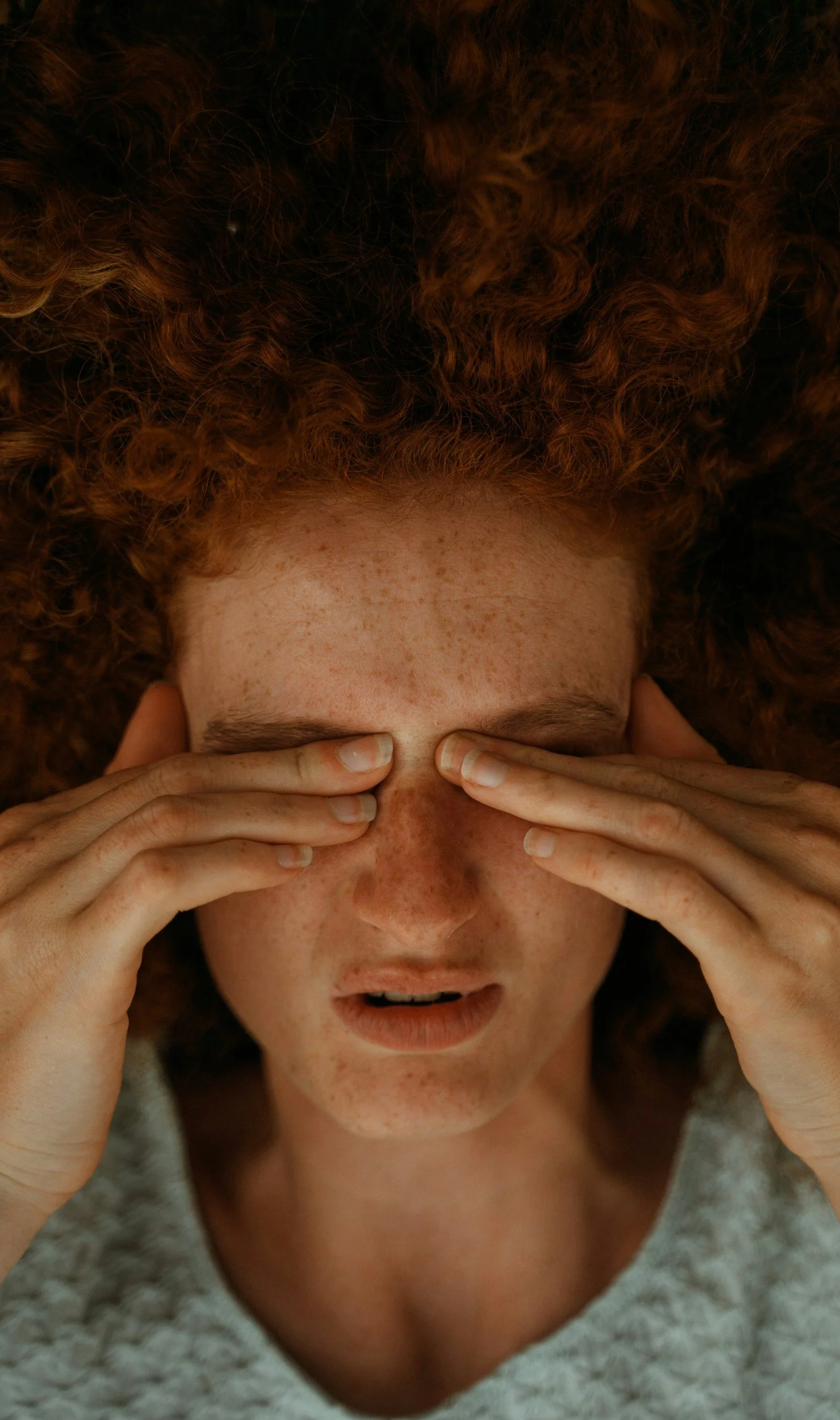
Can TBI or concussion symptoms last longer than expected?
Yes. Some people experience persistent symptoms beyond the typical recovery window and may benefit from specialized rehabilitation and support.
Is neurofeedback safe after a head injury?
Microcurrent neurofeedback is FDA-certified, safe, and non-invasive, but you should discuss your injury history and goals with a medical professional before starting any new brain‑based therapy.
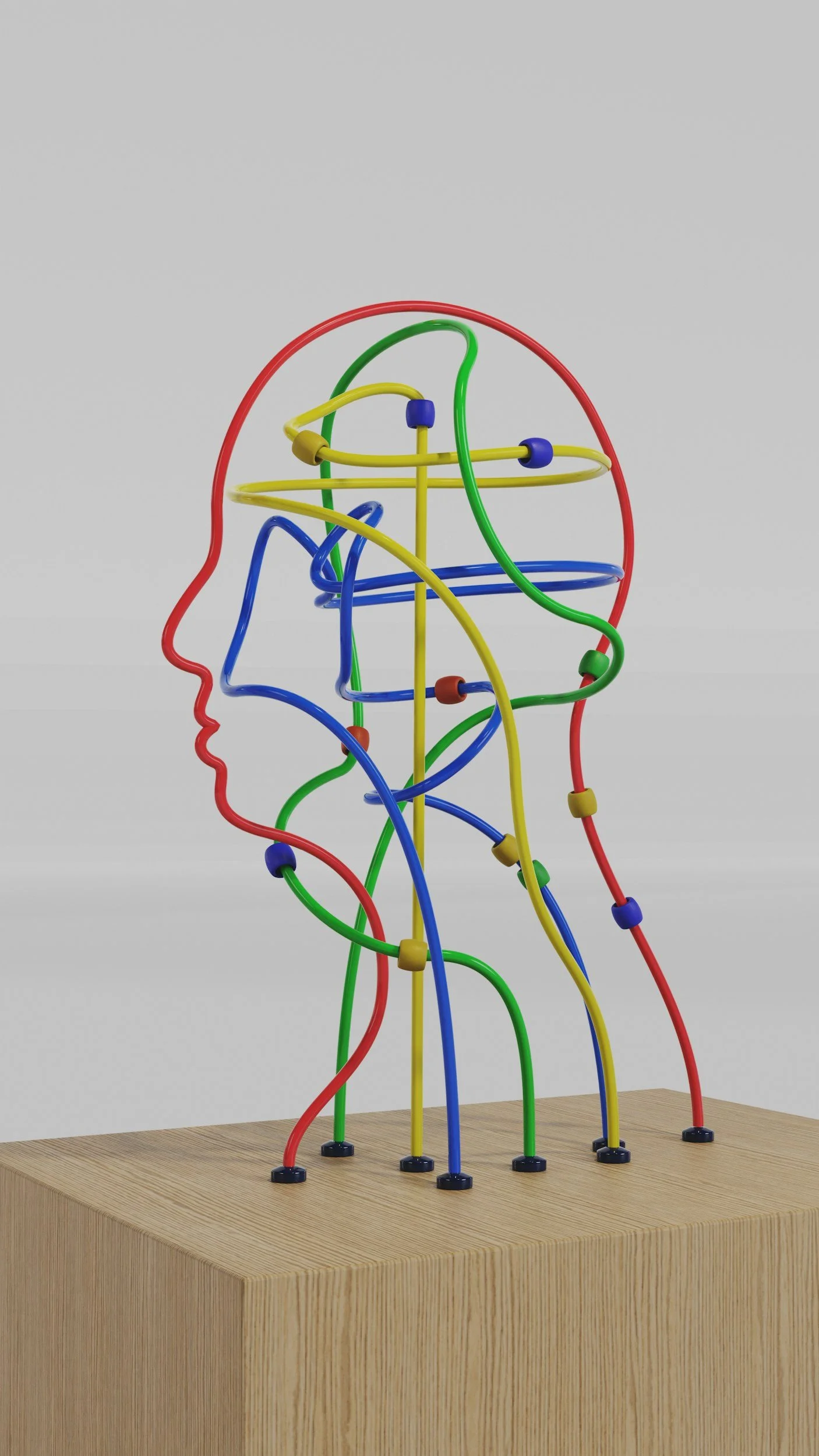
Does this replace medical care or rehab?
No. Our services are intended to complement, not replace, medical evaluation, imaging, or rehabilitation care.
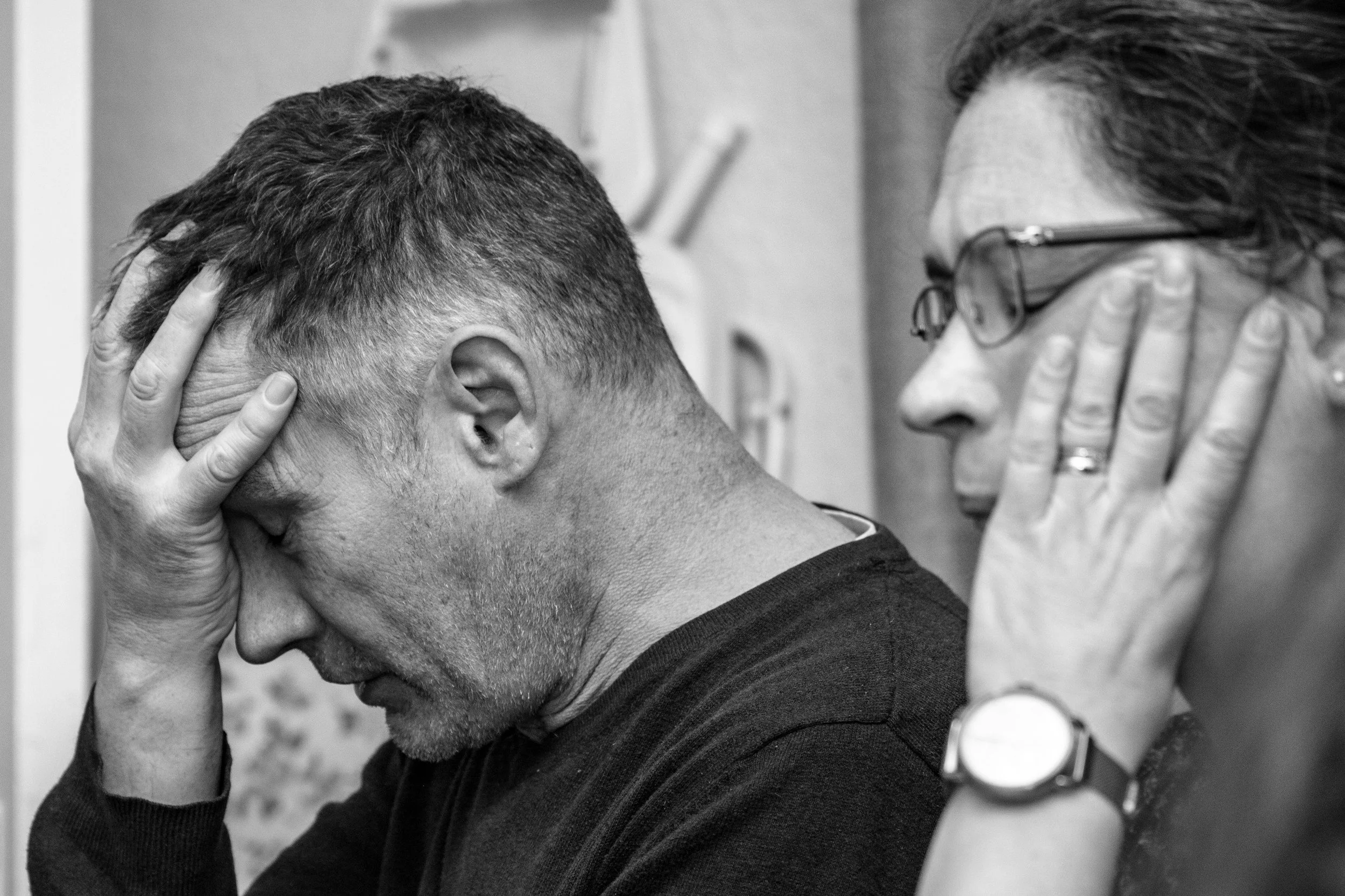
How Do I Get Started?
If you’re looking for personalized TBI and Concussion support in San Diego, Be Well Brain Health offers a compassionate place to start. Contact us to schedule a consultation and explore whether our approach is right for you.