
Headache and Migraine supportive care
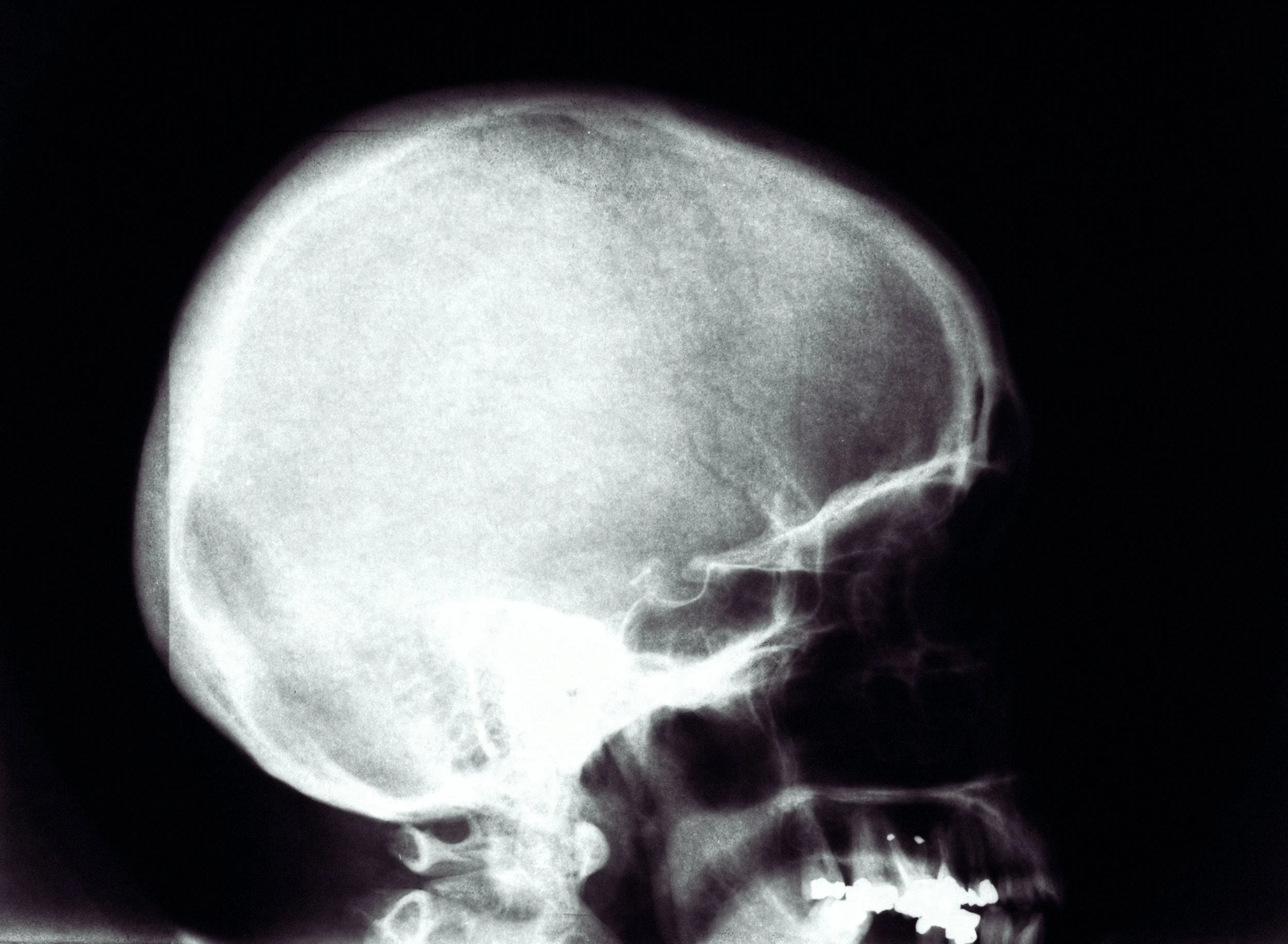

Frequent headaches and migraines can affect work, relationships, sleep, and overall quality of life.
At Be Well Brain Health, we offer personalized support for people looking for a thoughtful, holistic approach to headache and migraine care.
Our focus is on brain health, regulation, and practical strategies, with microcurrent neurofeedback available as one complementary option for people exploring additional ways to manage symptoms.
What are Headaches and Migraines?
Headaches are pain or discomfort in the head or face. Migraine is a specific neurological condition that often involves intense, recurring headaches along with symptoms such as nausea, sensitivity to light or sound, and sometimes visual or sensory changes known as aura.
Headaches can also be tension‑type, cervicogenic, or related to stress, sleep, or other medical factors, so it’s important to work with medical professionals to clarify the underlying cause.
Common signs and symptoms
Signs of headache or migraine may include:
• Throbbing or pulsing pain in one or both sides of the head.
• Sensitivity to light or sound.
• Nausea or vomiting.
• Visual changes or aura before or during an attack.
• Fatigue or brain fog before or after attacks.
• Eye, neck, or jaw discomfort.
• Sensitivity to movement or activity.
Some people experience attacks several times per month, while others may have chronic or “daily” headache patterns. Symptoms can also overlap with stress, anxiety, or sleep problems
How we support Headaches and Migraines
At Be Well Brain Health, we take an individualized approach to headache and migraine support. We look at the whole person — including stress, sleep, routines, and overall brain health — rather than focusing only on pain.
Depending on your goals, your care plan may include:
• Microcurrent neurofeedback as a supportive option.
• Brain health education.
• Regulation and stress‑management strategies.
• Support for families or caregivers when appropriate.
• Help understanding triggers and daily patterns.
Our goal is to create a calm, respectful experience that helps you explore what may be useful for your situation. Our services are intended to complement, not replace, medical evaluation, neuro‑imaging, medication, or other headache‑specific therapies when those are appropriate.
FAQ
What to expect
Usually begins with a conversation about:
• when and how often headaches or migraines occur,
• what symptoms you experience,
• what you have tried so far, and
• what you hope to improve in daily life.
If neurofeedback is part of your plan, sessions are non‑invasive and low‑effort. You will usually sit comfortably while the practitioner guides the process and monitors your response.
We may also discuss sleep, screen time, stress management, hydration, and any co‑occurring concerns such as anxiety, depression, or posture‑related tension.
Your first visit…
This may be helpful or:
• Adults with frequent headaches or migraines.
• People looking for non‑drug or complementary support options.
• Individuals with tension‑type headaches or mixed headache patterns.
• Parents or caregivers of children with headaches.
• People who want a holistic, individualized approach alongside standard medical care.
If you are unsure whether your symptoms are migraine, tension headache, or something else, a medical evaluation is recommended before starting any new program.
Who may benefit

We may adjust the plan based on how you feel and what changes you notice in daily life.
Over time…
Research and clinical experience suggest that neurofeedback and related brain‑based therapies can sometimes help reduce the frequency or intensity of certain types of headaches and migraines, especially when stress, sleep, and nervous system regulation are involved.
At Be Well Brain Health, microcurrent neurofeedback is offered as one part of a broader support plan, not as a replacement for evidence‑based headache or migraine treatment.
Headaches, Migraines and neurofeedback
FAQ From Our Clients

What is the difference between a headache and a migraine?
Headaches vary in type and cause, but migraine is a specific neurological condition often involving intense, recurring pain plus sensitivity to light or sound and sometimes nausea or aura.

Can adults get help for migraines?
Yes. Migraines and frequent headaches can affect adults of all ages, and many people benefit from targeted support and lifestyle changes.

Is neurofeedback safe?
Microcurrent neurofeedback is FDA-certified, safe, and non-invasive, but you should discuss your health history and symptoms with a medical professional before starting
Does this replace medication or neurology care?
No. Our services are intended to complement, not replace, standard headache or migraine care.

How Do I Get Started?
If you’re looking for personalized Headache and Migraine support in San Diego, Be Well Brain Health offers a compassionate place to start. Contact us to schedule a consultation and explore whether our approach is right for you.