
Explore Trauma Recovery & PTSD support


Post-traumatic stress disorder can affect sleep, mood, focus, relationships, and the ability to feel safe and settled in daily life.
At Be Well Brain Health, we offer personalized support for people looking for a thoughtful, holistic approach to healing from trauma.
Our focus is on brain health, regulation, and practical support, with microcurrent neurofeedback available as one complementary option for people exploring additional care pathways.
What is PTSD?
Post-traumatic stress disorder is a condition that can develop after a person experiences, witnesses, or is exposed to a traumatic event involving actual or threatened death, serious injury, or violence. PTSD symptoms can last for more than a month and interfere with daily life, including work, relationships, and routines.
PTSD is not a sign of weakness. It is a real response to trauma, and it can affect the nervous system, emotions, thoughts, and body in powerful ways.
Common signs and symptoms
PTSD symptoms are often grouped into four categories:
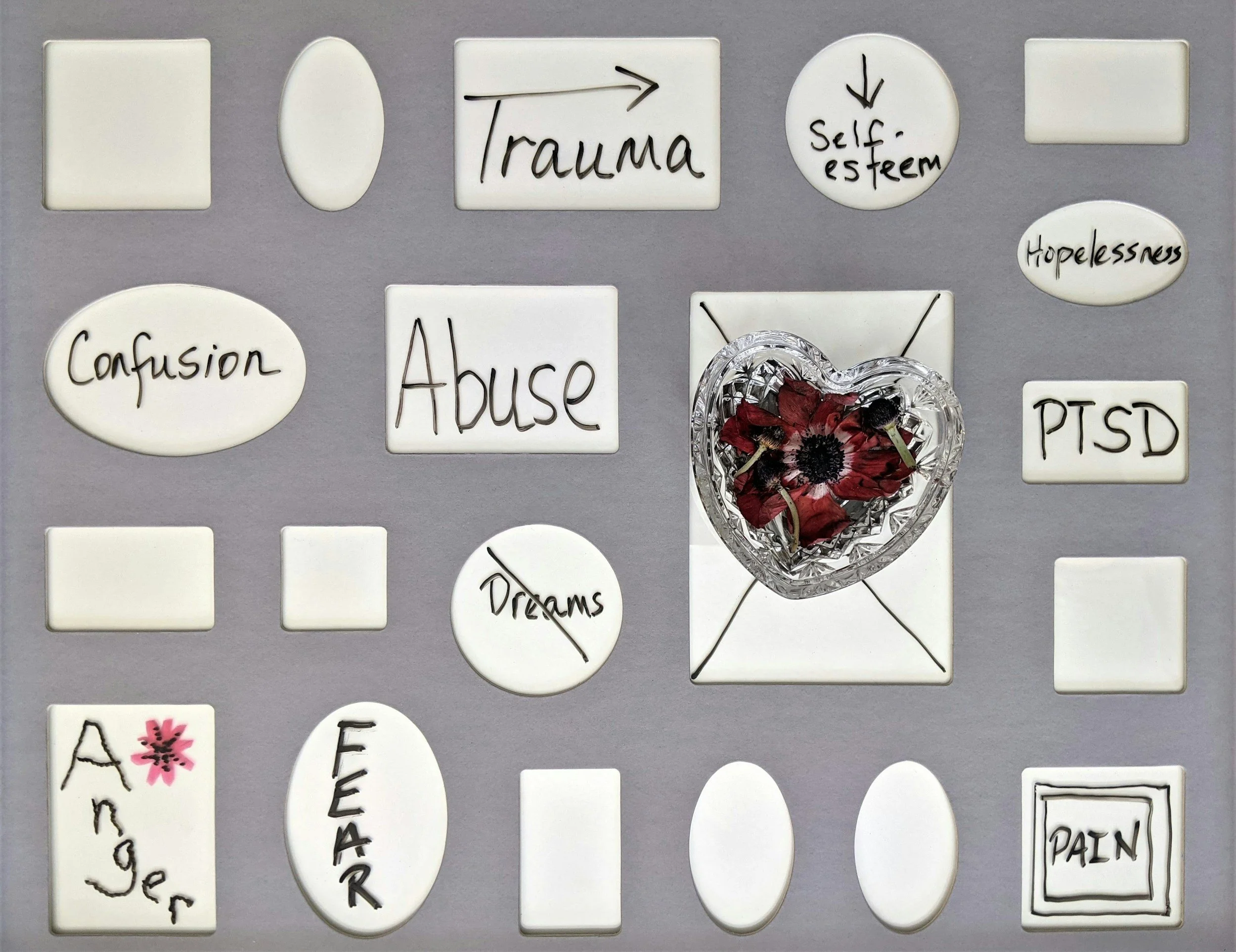
• Intrusive thoughts, flashbacks, or nightmares.
• Avoidance of reminders of the trauma.
• Negative changes in mood or thinking.
• Heightened arousal or reactivity, such as being on edge, easily startled, or having trouble sleeping.
Other signs may include emotional numbness, guilt, irritability, trouble concentrating, or feeling disconnected from others
How we care for PTSD
At Be Well Brain Health, we take an individualized approach to PTSD support. That means we look at the whole person, including safety, regulation, routines, and overall brain health, rather than focusing only on symptoms.
Depending on your goals, your care plan may include:
• Microcurrent neurofeedback as a supportive option.
• Brain health education.
• Regulation-focused strategies.
• Support for families or caregivers when appropriate.
• Help understanding triggers, stress responses, and nervous system patterns.
Our goal is to provide a calm, respectful experience that helps you explore what may be useful for your situation. Our services are intended to complement, not replace, psychotherapy, medication, or higher levels of care when those are needed.
FAQ
What to expect
Typically begins with a conversation about symptoms, history, goals, and what you are hoping to change. This helps us understand whether our services are a good fit and what type of support may make sense.
If neurofeedback is part of your plan, the sessions are generally non-invasive and relaxed. You will usually sit comfortably while the practitioner guides the process and monitors your response.
We may also discuss sleep, stress, safety, routines, and any co-occurring concerns that affect daily functioning.
Your first visit…
This may be helpful for:
• Adults living with PTSD symptoms.
• People experiencing flashbacks, nightmares, or hypervigilance.
• Individuals with trauma history seeking a holistic approach.
• Families looking for compassionate support.
• People who want complementary support alongside standard care.
If you’re unsure whether what you’re experiencing is PTSD, anxiety, or another trauma-related concern, a consultation can help determine the best next step.
Who may benefit

We may adjust the plan based on how you feel and what changes you notice in daily life.
Over time…
Neurofeedback and related brain-based interventions are sometimes explored as complementary support for trauma-related symptoms, especially when people want additional regulation-focused tools.
At Be Well Brain Health, microcurrent neurofeedback is offered as one part of a broader support plan, not as a replacement for evidence-based PTSD care such as trauma-focused psychotherapy or medication when appropriate
PTSD and neurofeedback
FAQ From Our Clients
Is PTSD only caused by combat trauma?
No. PTSD can develop after many kinds of trauma, including accidents, abuse, violence, loss, or witnessing traumatic events.
Can adults develop PTSD later in life?
Yes. Symptoms may begin soon after trauma or appear later, and they can affect adults of any age.
Is neurofeedback safe?
Microcurrent neurofeedback is FDA-certified, safe, and non-invasive, but always share your health history and goals before starting.
Does this replace therapy or medication?
No. Our services are intended to complement, not replace, standard mental health or medical care.

How Do I Get Started?
If you’re looking for personalized Trauma Recovery and PTSD support in San Diego, Be Well Brain Health offers a compassionate place to start. Contact us to schedule a consultation and explore whether our approach is right for you.